Niche, designer or Arabic: where to start with samples
Three labels, none of them official. What niche, designer and Arabic mean in a sample shop, and a simple way to choose where to begin.

Perfume is sorted into ranges that sound precise and are not. Nobody certifies a perfume as niche, designer or Arabic, and houses move between the groups. Even so, the three labels are useful when you are choosing samples, because they hint at what kind of house you are dealing with and what you may find. They say nothing about how good a perfume is. Here is how we use them.
Niche
A niche house usually makes perfume its main work. It is often small, it often has a clear signature, and its perfumes are not found in every shop. For a sample shop this is the range where a decant helps most, because the perfumes are harder to try in person. The niche samples page lists them.
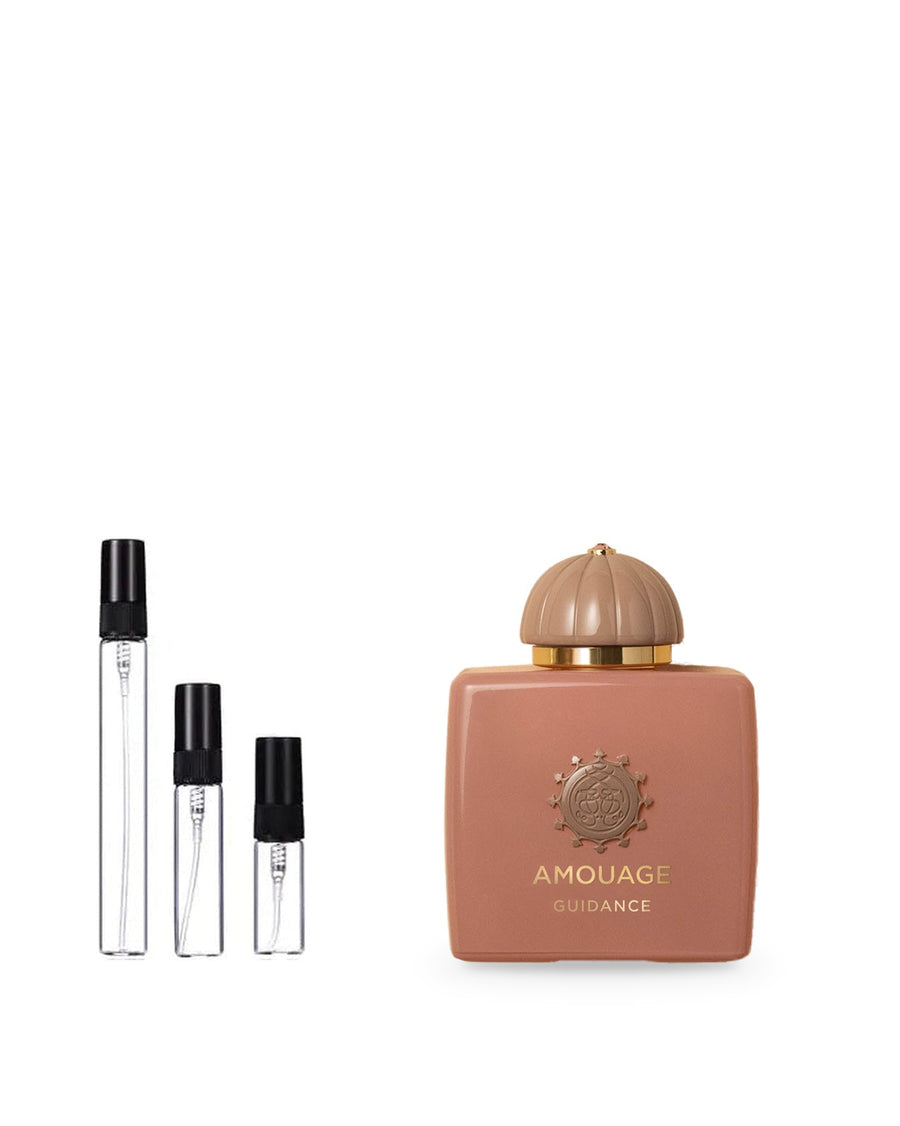
Amouage Guidance is recorded with pear, frankincense and hazelnut on top, saffron, rose, Jasmine Sambac and osmanthus in the heart, and cistus, sandalwood, akigalawood, ambergris and vanilla in the base. Goldfield & Banks Silky Woods is recorded with cinnamon and tobacco leaf on top, ylang-ylang and vanilla in the heart, and agarwood, suede, saffron, incense and sandalwood in the base. Both are niche, and they could hardly be more different in feel from each other.

Designer
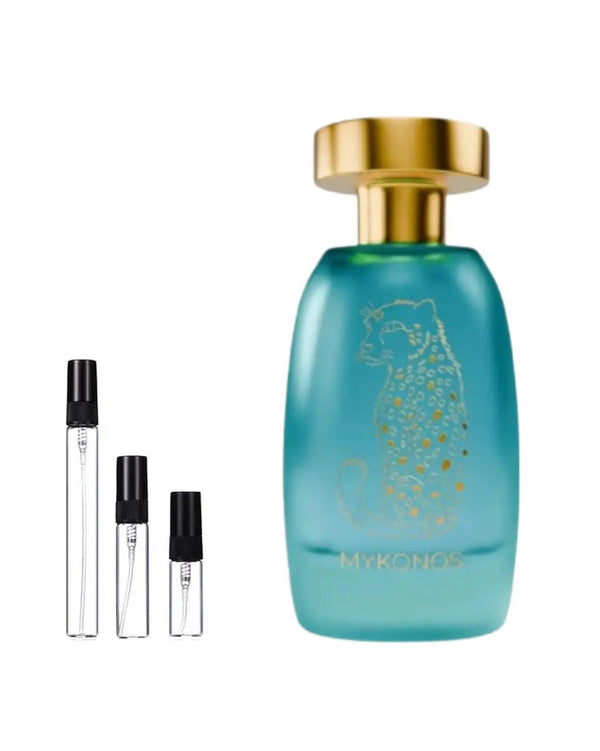
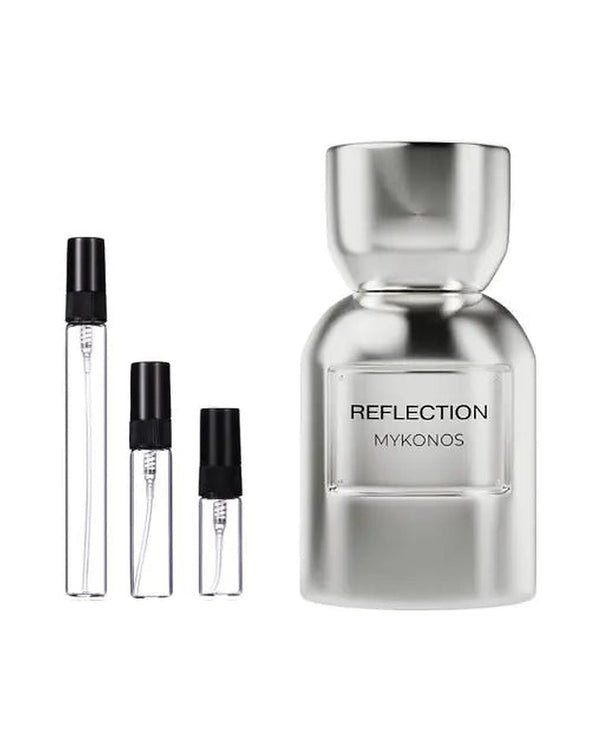
A designer perfume belongs to a wider brand: a fashion house, a lifestyle label or a name known mainly for something else. These perfumes tend to be easy to find, and they often aim at a broad taste. On DecantGems the designer samples currently hold Mykonos and Velixir.
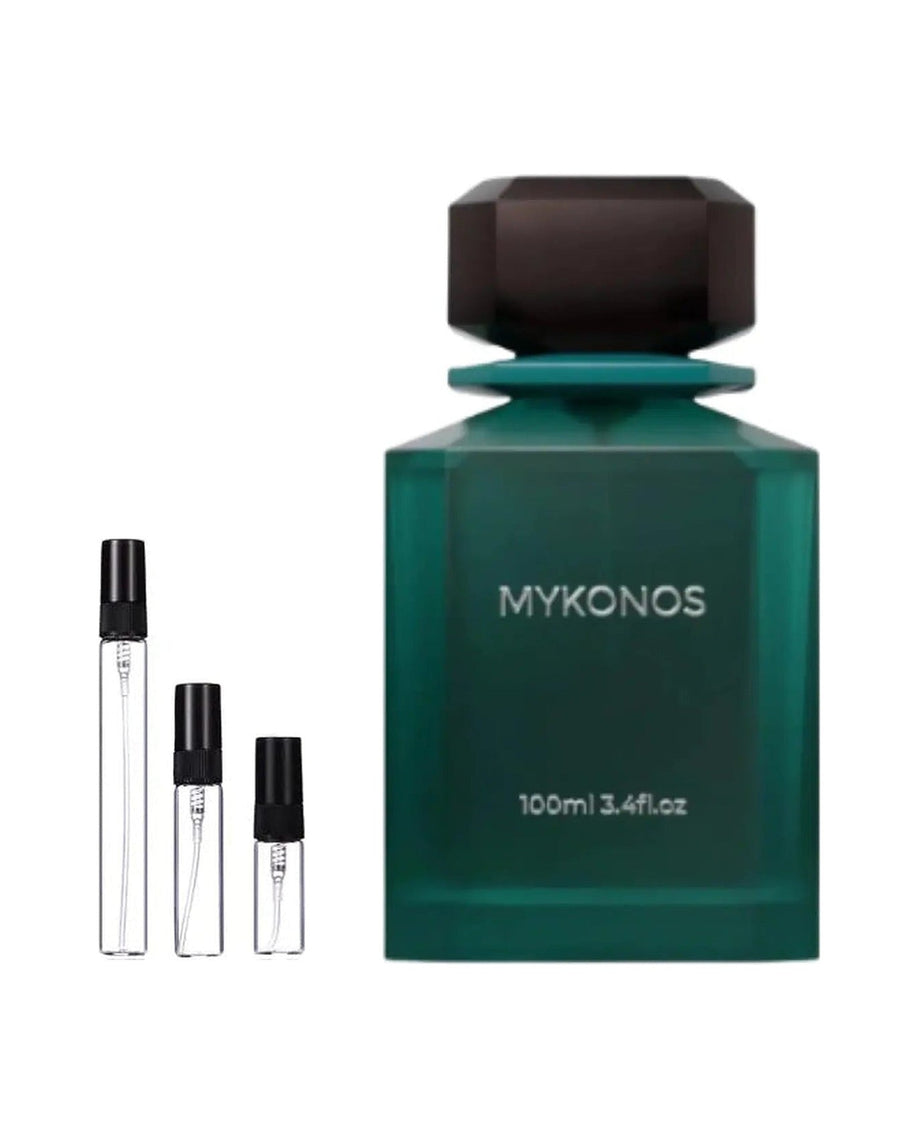
Mykonos Sorrento is an extrait recorded with fizzy grapefruit, bergamot, mandarin orange, magnolia and ginger on top, fizzy grapefruit, neroli, ginger, powdery and water notes in the heart, and fizzy grapefruit, amber, musk, cedar, patchouli and orris root in the base. Velixir Ares is recorded with grapefruit, citrus fruits and mandarin on top, sandalwood and cedar in the heart, and amber, patchouli and musk in the base.

Arabic
Arabic perfume comes from houses rooted in the Arabian perfume tradition. Oud, amber, rose and incense are familiar there, and sweet, rich compositions are common, but the range is wider than the stereotype. The Arabic samples page is the longest list we have, and it includes many perfumes with no oud at all.
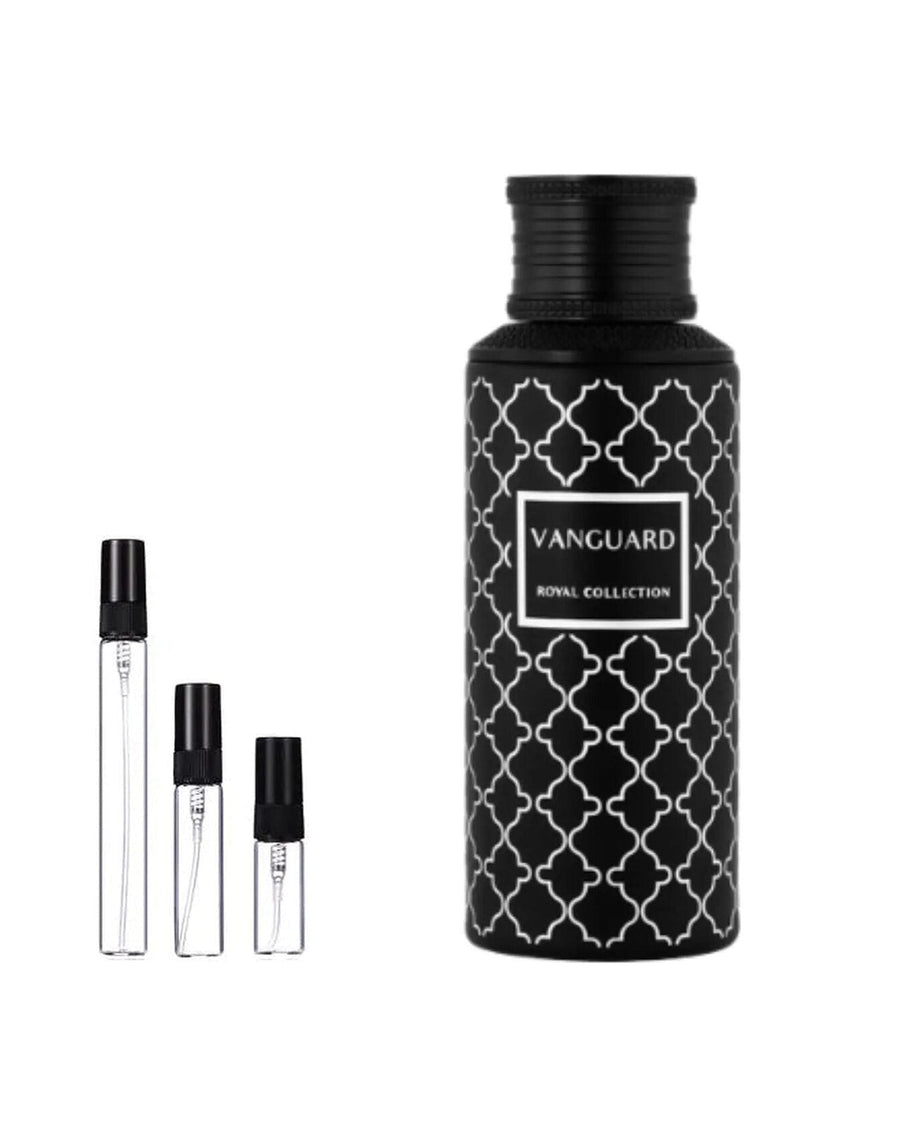
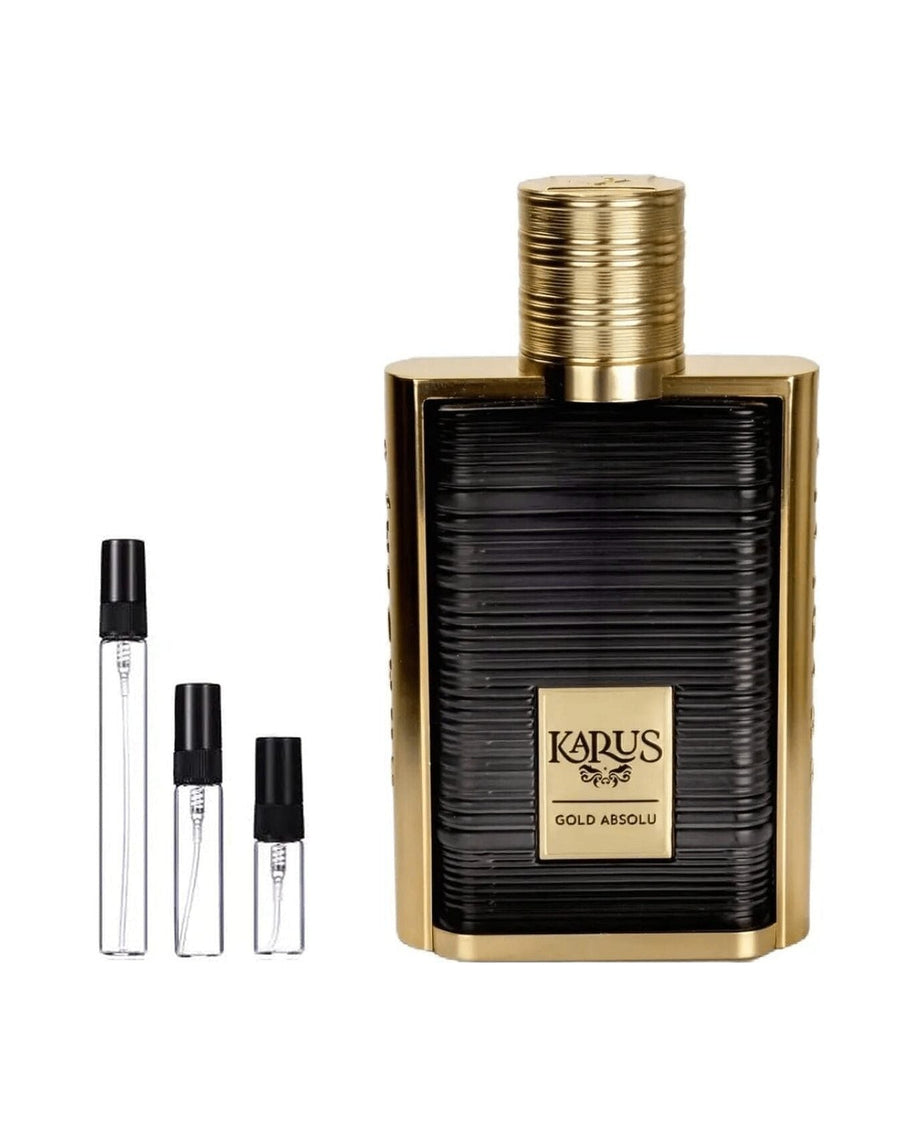
Surrati Honey Oud is recorded with cardamom on top, honey and rose in the heart, and oud (agarwood) and amber in the base. Maison Asrar Vanguard is recorded with pineapple, black currant, pink pepper, apple, grapefruit and bergamot on top, cardamom, ginger, carnation and lily of the valley in the heart, and leather, ambergris, cedarwood, musk, cashmere musk and moss in the base. Khadlaj Karus Gold Absolu is recorded with candied lemon, blackcurrant and bergamot on top, praline, magnolia and violet in the heart, and musk and vetiver in the base.

What the labels do not tell you
The range of a house says little about what a single perfume is like. A niche house can make a quiet musk and a designer line can make a loud spice. Our own sorting is a practical choice for browsing, with each house placed in one range, and it is not a verdict on quality or on who made what first. Read the recorded notes of each sample and judge on your skin. The glossary has a short entry on niche versus designer if you want the words straight.
Where to start
Start from what you already like, not from the label. Three routes work well:
- You know your family. If you love woody or citrus or gourmand perfumes, take one of that family from each range and see which house treats it best for you. The woody and citrus lists are a start.
- You like a house. Read its guide, such as which Lattafa sample to try first or which Xerjoff sample to try first, and begin with the first one it names.
- You do not know yet. Take one sample from each range and wear them a day each. That tells you which way your taste leans faster than any definition.
The explore page lets you browse by house, note, family and occasion, the brands page lists every house, and the scent finder narrows the choice in five questions. If a note keeps catching your eye, oud samples to try first is a good example of how a note guide works, and how to build your own sample set turns a few samples into a plan.
FAQ
What is the difference between niche, designer and Arabic perfume?
The labels describe where a house comes from and how it works, not how good a perfume is. Niche houses focus on perfume, designer perfumes belong to wider brands, and Arabic houses are rooted in the Arabian perfume tradition. The edges overlap.
Which range should I try first?
The one that matches what you already like. If you cannot say, take one sample from each range and see which you reach for first. The scent finder can also narrow the choice.
Does Arabic perfume always mean oud?
No. Oud, amber, rose and incense are common, but the Arabic range also has citrus, blackcurrant, praline and musk perfumes. Read the recorded notes of each sample and not only the label of the range.